
In today’s fast-paced digital world, businesses can no longer rely on generic campaigns. Customers expect personalized experiences that feel relevant, timely, and valuable. This is where AI personalization comes into play. By using real-time data, businesses can tailor messaging to each customer—boosting engagement, loyalty, and conversions.
AI personalization is the process of using artificial intelligence and machine learning to deliver customized experiences for each user. Unlike traditional segmentation, which groups users into broad categories, AI personalization uses real-time data such as browsing behavior, past purchases, location, and device activity to create hyper-personalized experiences.
Example: Instead of sending the same email newsletter to everyone, AI can adjust product recommendations, subject lines, and even send times based on each user’s habits.
The power of AI personalization lies in real-time insights. Customers’ needs change constantly, and static campaigns often fail to keep up. Real-time data helps businesses:
Identify customer intent instantly
Trigger personalized product recommendations
Optimize ads and campaigns on the go
Reduce wasted marketing spend
For instance, a retail website can show personalized product suggestions based on a visitor’s live browsing history, increasing the chance of conversion.
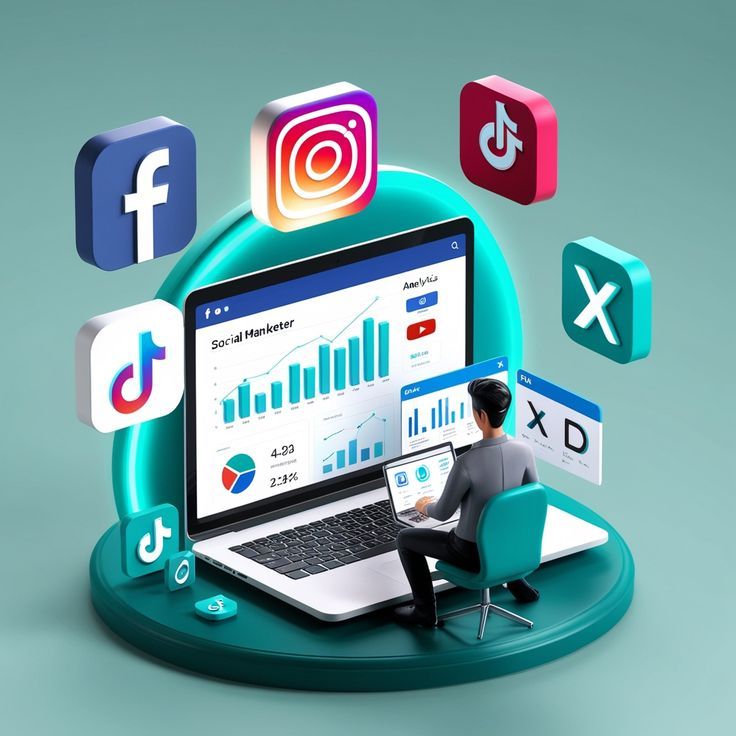
Personalization has become a core part of marketing and digital marketing. With AI-driven tools, businesses can create smarter campaigns across channels like:
Content Marketing in Digital Marketing – AI tailors blogs, videos, and landing pages to match user preferences.
Email Marketing in Digital Marketing – AI creates personalized subject lines, product suggestions, and automated workflows.
Mobile Marketing in Digital Marketing – AI delivers push notifications, offers, and in-app messages based on user actions.
Unlike traditional approaches, AI personalization ensures customers receive the right message at the right time, improving engagement.
When comparing traditional and digital marketing, personalization is where digital clearly wins. Traditional marketing (like billboards or TV ads) cannot adapt to individuals, but digital marketing with AI can deliver one-to-one messaging instantly.
This shift not only boosts ROI but also creates deeper customer relationships, something traditional marketing cannot achieve at scale.
Higher conversion rates through relevant offers
Improved customer loyalty and satisfaction
Better ad performance with reduced waste
Stronger brand-customer relationships
Competitive advantage in saturated markets
With more than 60% of searches happening on mobile devices, mobile marketing in digital marketing is a key part of any strategy. GEO supports this by making sure your mobile-friendly content is easily understood by AI.
Use concise, scannable content
Optimize images with proper alt-text
Provide voice-search friendly answers (since many mobile users rely on voice assistants)
When GEO and mobile marketing in digital marketing align, businesses can reach audiences across multiple platforms—both traditional search and AI-driven responses.
As AI becomes the primary gateway for online information, Generative Engine Optimization will become as important as SEO. GEO doesn’t replace marketing and digital marketing strategies—it enhances them.
✅ Helps businesses appear in AI-generated responses
✅ Builds credibility and authority
✅ Ensures content works across search engines and AI tools
✅ Complements existing strategies like content marketing, email marketing, and mobile marketing
Generative Engine Optimization (GEO) is not just another buzzword—it’s the next evolution of digital marketing. Businesses that adapt early will gain a competitive edge, while those relying only on traditional and digital marketing may struggle to stay visible in an AI-first world.
By blending content marketing in digital marketing, email marketing in digital marketing, and mobile marketing in digital marketing with GEO strategies, brands can ensure they remain relevant in this new era of search.

Aj Digitals
Founder & CEO
Dorian
Hey, how can I help you today?
Powered by Elementor